
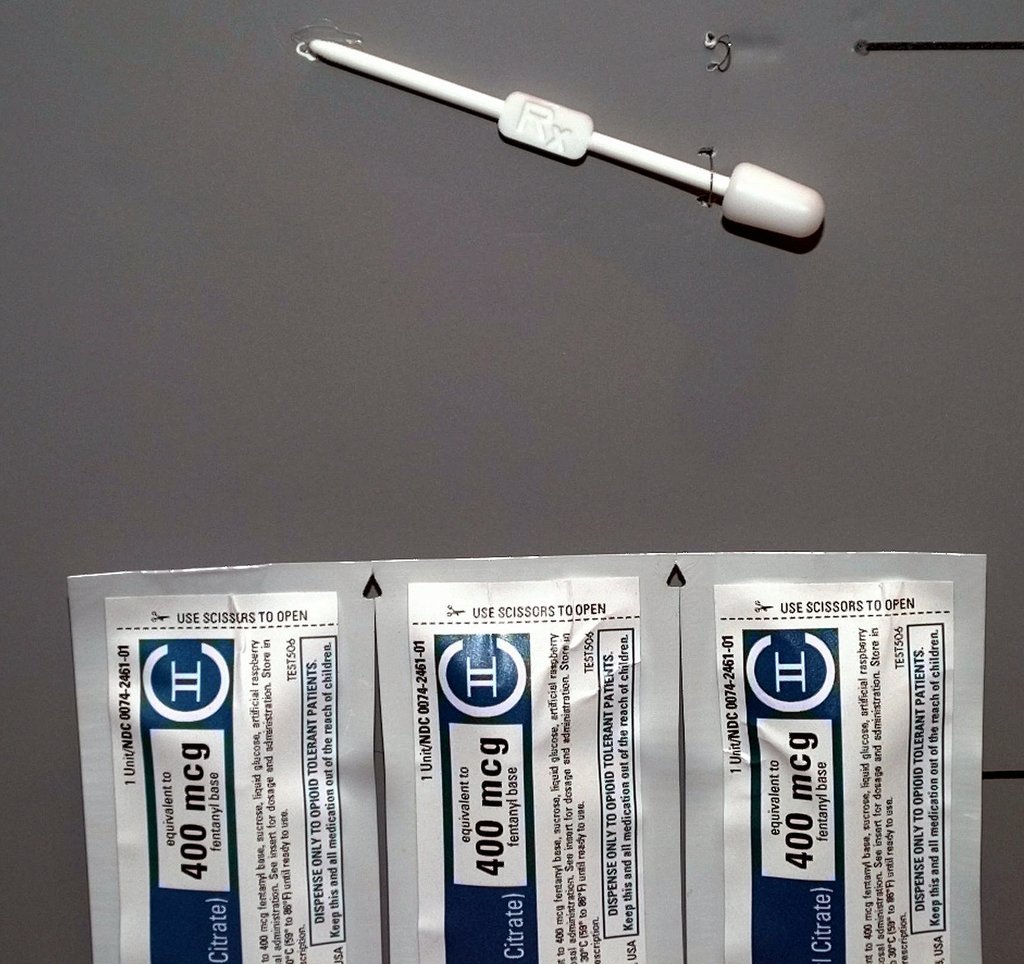

Fentanyl
Fentanyl is a highly potent synthetic opioid used in medicine for the treatment of certain types of severe pain. It has been used clinically since the 1960s and remains an important medication in settings such as surgery, anesthesia, cancer care, and palliative medicine.
Because fentanyl is extremely potent, it requires careful dosing and medical supervision. Pharmaceutical fentanyl is available in several formulations, with the appropriate form depending on the patient’s medical condition and treatment requirements.
What Is Fentanyl?
Fentanyl is a synthetic opioid that acts primarily on opioid receptors in the central nervous system. It can provide powerful pain relief and generally has a rapid onset when administered through certain medical routes.
Its potency means that even relatively small amounts can produce significant effects. For this reason, fentanyl should only be used exactly as prescribed and obtained through legitimate medical channels.
What Is Fentanyl Used For?
Medical fentanyl may be used for:
- Severe acute pain in specific clinical situations
- Pain associated with certain cancers
- Anesthesia and surgical procedures
- Palliative care when strong opioid analgesia is medically appropriate
The formulation and dose are selected by healthcare professionals based on the patient’s condition and previous opioid exposure.
Forms of Prescription Fentanyl
Depending on the country and clinical indication, pharmaceutical fentanyl may be available in forms such as injections, transdermal patches, and certain transmucosal or intranasal formulations.
Different formulations are not interchangeable on a simple dose-for-dose basis. Patients should never change formulations or doses without medical supervision.
Fentanyl Safety
Fentanyl can cause serious respiratory depression, especially when it is taken incorrectly or combined with other substances that slow breathing.
Combining fentanyl with alcohol, benzodiazepines, or other sedating drugs can substantially increase the risk of severe sedation, respiratory depression, coma, and death.
Signs of a possible opioid overdose can include very slow or stopped breathing, extreme sleepiness, inability to wake, and pinpoint pupils. An opioid overdose is a medical emergency and requires immediate emergency assistance.
Fentanyl and Illicit Products
Illicitly manufactured fentanyl is particularly dangerous because its concentration and contents may be unknown. Unexpected fentanyl exposure is a major contributor to fatal opioid overdoses.
Never use fentanyl obtained outside a legitimate medical supply chain or take medication that was not prescribed to you.
Frequently Asked Questions
Is fentanyl a prescription medication?
Yes. Pharmaceutical fentanyl is a controlled prescription opioid and is subject to strict regulations.
Is fentanyl stronger than morphine?
Yes. Fentanyl is substantially more potent than morphine, which is one reason it requires careful medical dosing and monitoring.
Can fentanyl be used for cancer pain?
Under appropriate medical supervision, certain fentanyl formulations may be prescribed for patients with severe persistent cancer pain who meet the relevant clinical criteria.
Is fentanyl dangerous?
Fentanyl can be safe when appropriately prescribed and administered under medical supervision, but excessive exposure can cause life-threatening respiratory depression.
Conclusion
Fentanyl is an important medical opioid with applications in severe pain management, anesthesia, cancer care, and palliative medicine. Its very high potency also makes safe prescribing, accurate dosing, and careful monitoring essential. Anyone who has questions about fentanyl treatment should speak with a qualified healthcare professional.
Be the first to review “Fentanyl 400mcg”
Related products

ADHD


PILLS
INSOMNIA
PAIN KILLERS

NEMBUTAL (PENTOBARBITAL SODIUM)

PAIN RELIEF

OXYCODONE
OXYCODONE
Reviews
There are no reviews yet.