
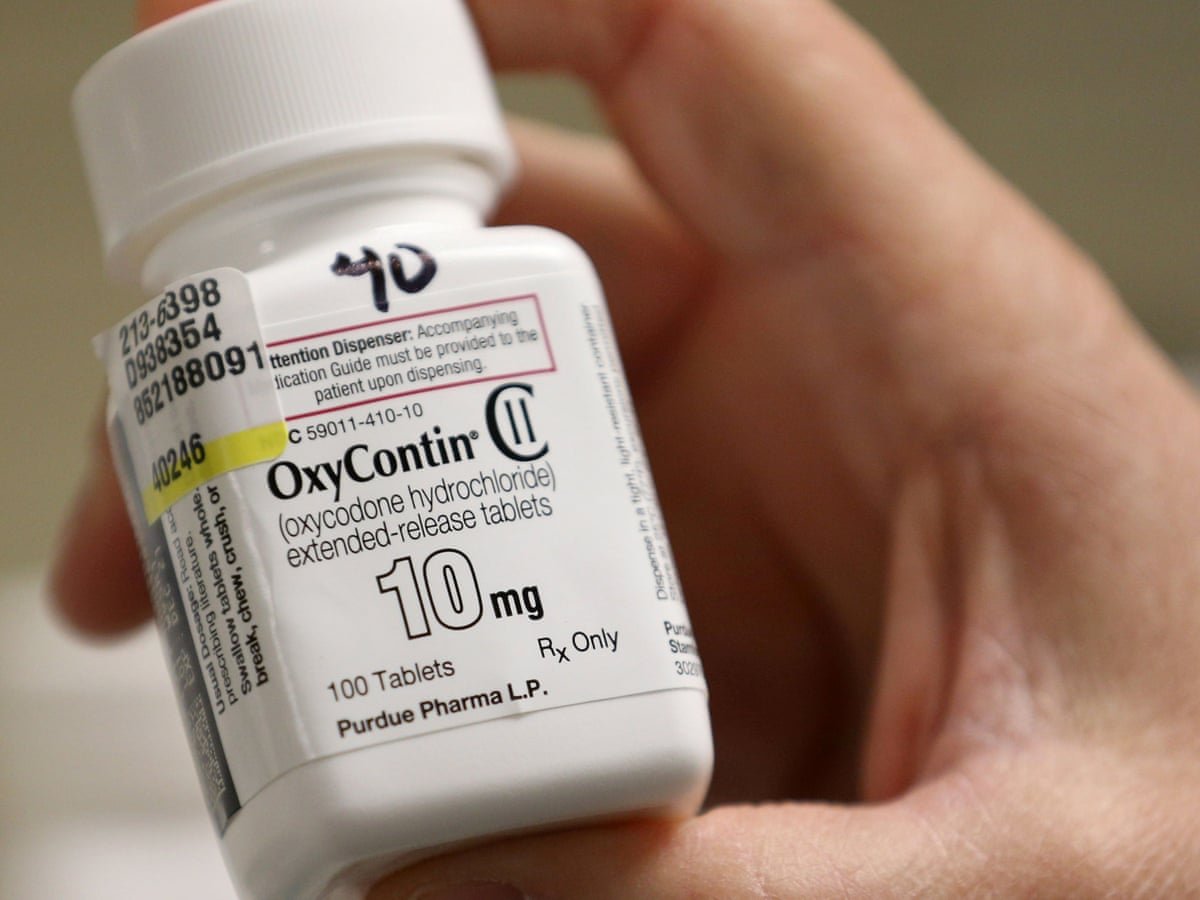
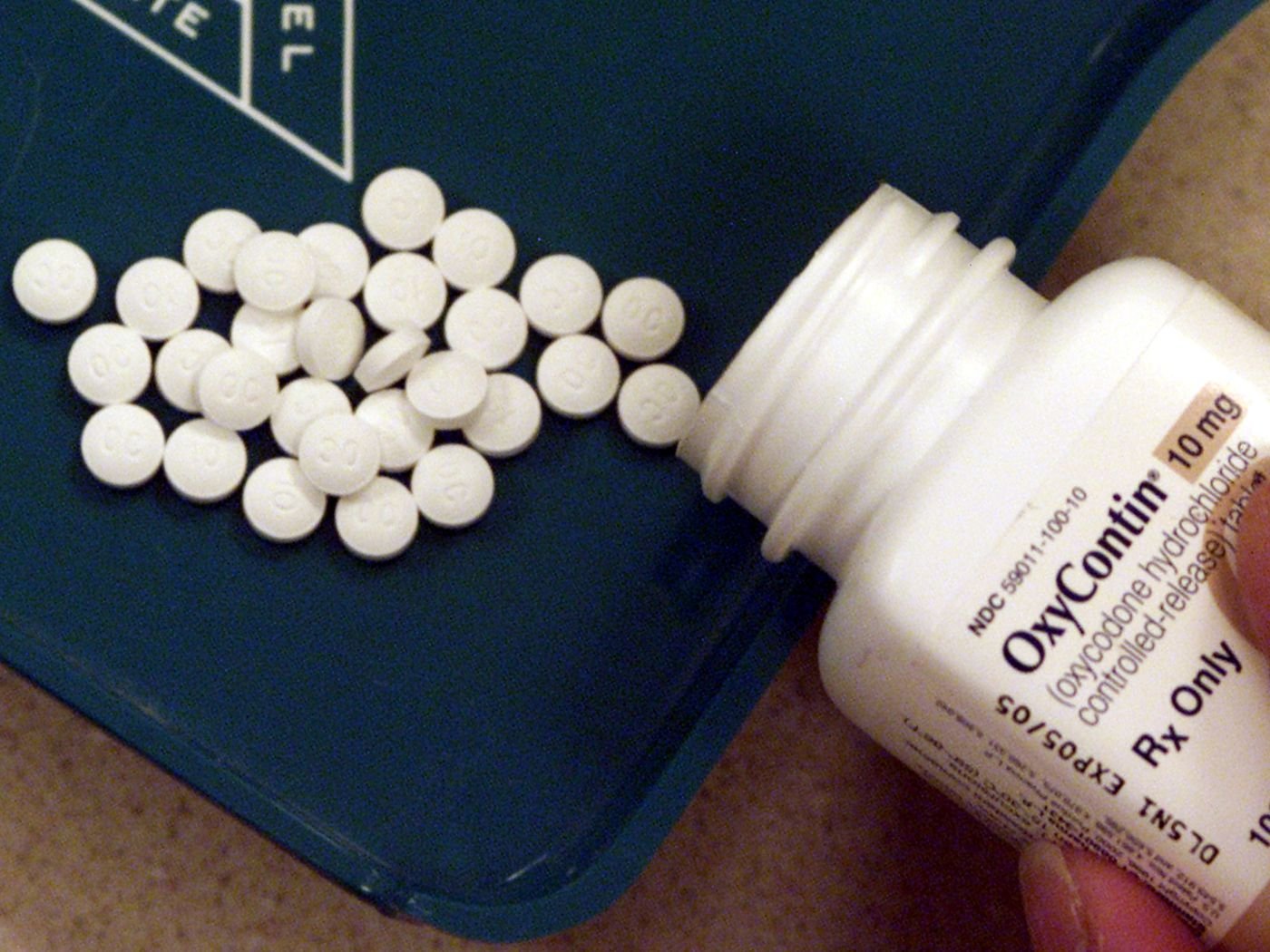


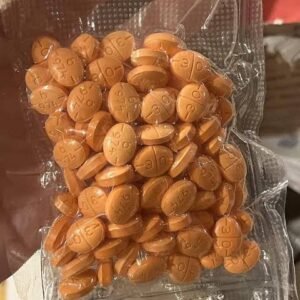
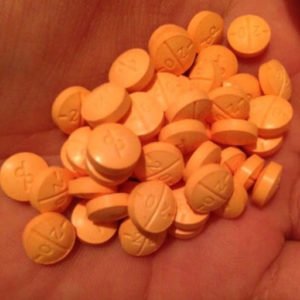
Oxycontin 10MG

Original price was: $3.10.$2.90Current price is: $2.90.
buy OxyContin online,buy OxyContin (Oxycodone) online, buy painkillers online, order painkillers online without prescription
OxyContin (Oxycodone )
OxyContin is a brand name for an extended-release formulation of oxycodone, an opioid analgesic used to manage severe, persistent pain when alternative treatment options are inadequate. Because oxycodone affects the central nervous system and can cause respiratory depression, dependence, misuse, and overdose, it should be used only under the supervision of a qualified healthcare professional.
OxyContin is designed to release oxycodone over an extended period rather than providing immediate pain relief. It is therefore different from immediate-release oxycodone products and should not be substituted for them without professional medical guidance.
OxyContin and Children
The use of extended-release oxycodone in pediatric patients requires particular caution. Whether it is appropriate depends on the child’s age, medical condition, previous opioid exposure, and the specific product’s prescribing information.
OxyContin should not be considered a routine first-choice opioid for children. Pediatric opioid treatment should be individualized by a healthcare professional, with careful attention to dosing and monitoring because children may be particularly vulnerable to opioid-related adverse effects, including respiratory depression.
Switching a child from another opioid to an extended-release oxycodone product should never be done without medical supervision. Opioids are not automatically equivalent, and converting from one opioid to another requires professional dose assessment.
Important Safety Information
OxyContin can cause serious or potentially fatal breathing problems, especially when taken incorrectly or combined with alcohol, benzodiazepines, or other medicines that depress the central nervous system.
Patients and caregivers should:
- Use OxyContin exactly as prescribed.
- Never crush, chew, dissolve, or otherwise alter extended-release tablets unless the official prescribing information specifically permits it.
- Never share the medication with another person.
- Store opioids securely and out of children’s reach.
- Seek emergency medical help if someone develops extremely slow or difficult breathing, cannot be awakened, or shows signs of an overdose.
Because oxycodone is an opioid, prolonged use can also result in physical dependence and, in some individuals, opioid use disorder.
Final Takeaway
OxyContin is a potent extended-release opioid intended for carefully selected patients with severe, persistent pain. Pediatric use and opioid-to-opioid conversion require individualized medical assessment rather than self-directed dose changes.
Parents and caregivers should discuss any child’s opioid treatment with the prescribing clinician and pharmacist and follow the medication’s current official prescribing information.
Be the first to review “Oxycontin 10MG”
Related products
INSOMNIA
PAIN KILLERS

RESEARCH CHEMICALS
INSOMNIA

PAIN RELIEF
ADHD


SSD CHEMICAL SOLUTION
Reviews
There are no reviews yet.